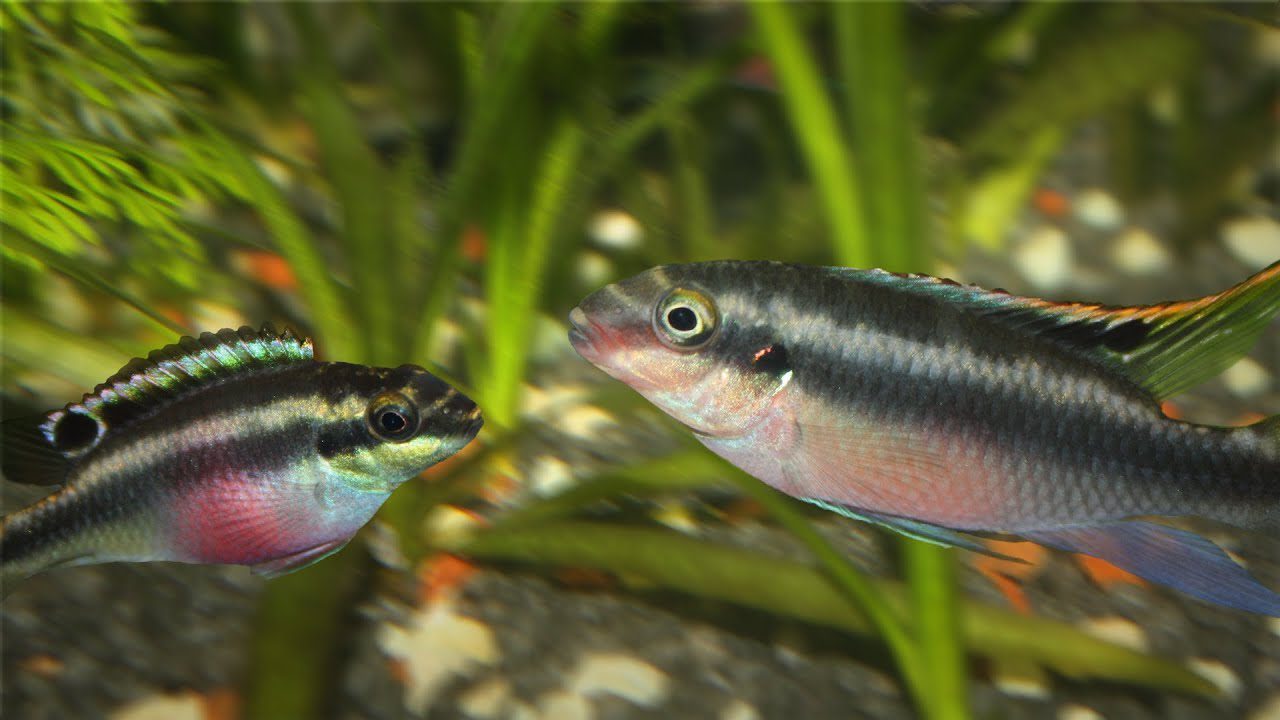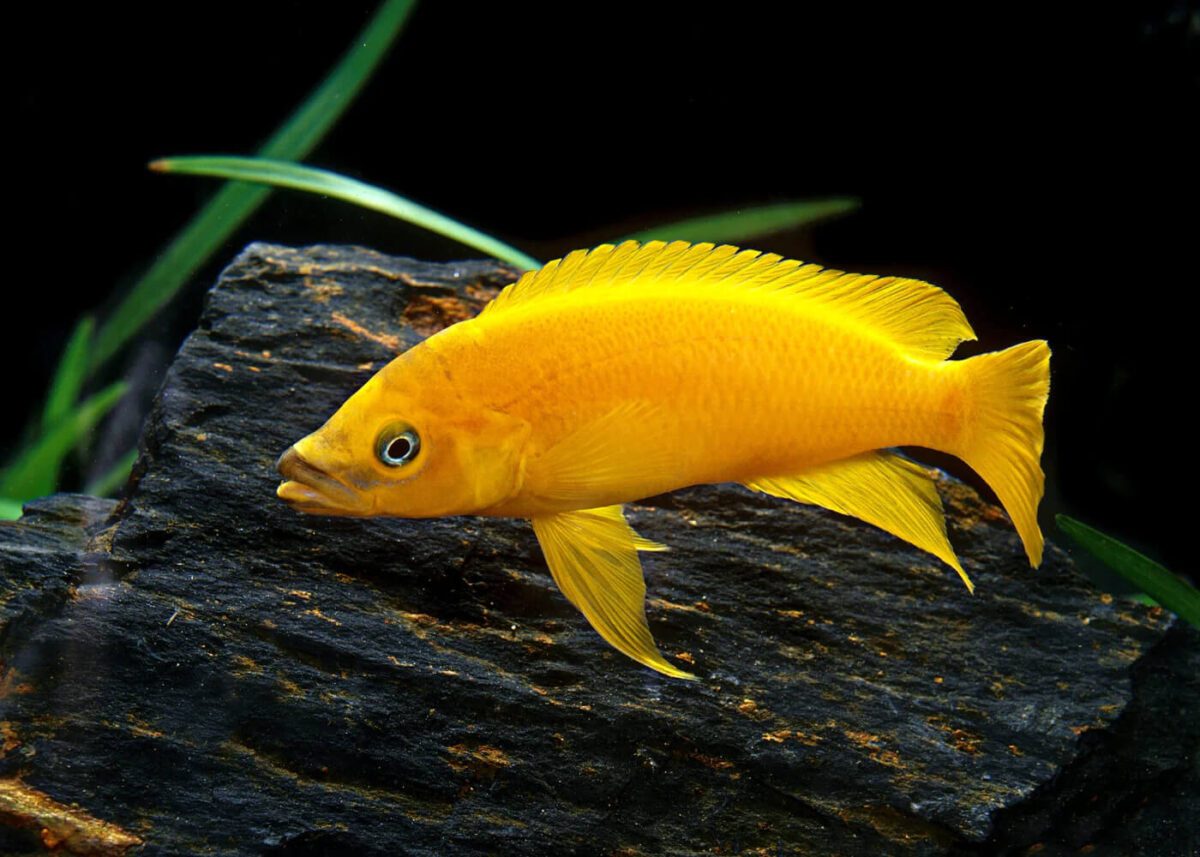
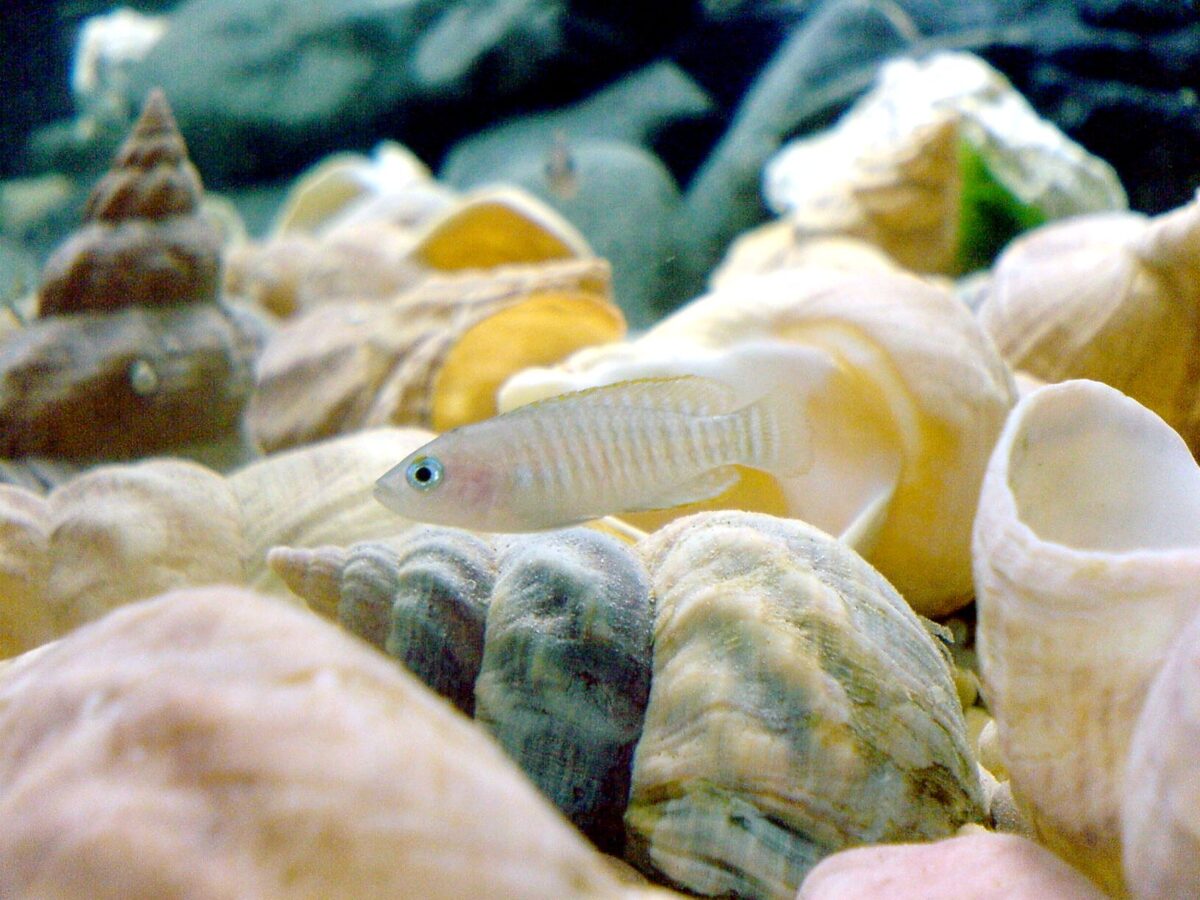
Neolamprologus multifasciatus, commonly known as the dwarf shell-dweller cichlid or multis, is a unique and captivating freshwater fish species. Belonging to the Neolamprologus genus, this small cichlid is native to Lake Tanganyika, one of the largest freshwater lakes in the world. With its intriguing behaviour and stunning appearance, Neolamprologus multifasciatus has become popular among aquarium enthusiasts.
The Neolamprologus multifasciatus is renowned for its miniature size, making it one of the smallest cichlid species in the world. Males reach a maximum length of about 5 cm (2 in) in the aquarium, while females are smaller, measuring only 2.5 cm (1 in). In their natural habitat, they are even tinier, with males reaching a standard length of just 3 cm (1.2 in) and females less than 2.2 cm (0.87 in). Despite their small size, these cichlids possess captivating colours and markings, with striking vertical black bars accentuating pale white bodies.
One of the fascinating aspects of Neolamprologus multifasciatus is their behaviour. They have a strong affinity for shells, using them not only for shelter but also for breeding. In the wild, they burrow in the sand to move shells, take refuge in them, and even create breeding colonies within the shells. This unique behaviour adds an element of intrigue to their care in the aquarium.
In this article, we will explore Neolamprologus multifasciatus’s taxonomy, natural habitat, physical description, aquarium requirements, care, diet, breeding, and more. Whether you are a seasoned aquarium enthusiast or a beginner looking for an interesting addition to your freshwater tank, this informative guide will provide valuable insights into the world of dwarf shell-dweller cichlids.
Key Takeaways:
- Neolamprologus multifasciatus, also known as the dwarf shell-dweller cichlid or multis, is a small freshwater fish native to Lake Tanganyika.
- These cichlids exhibit stunning colours and markings, with their pale white bodies adorned by vertical black bars.
- Neolamprologus multifasciatus is notable for its unique behaviour, including its affinity for shells, which they use for shelter and breeding.
- When keeping Neolamprologus multifasciatus in an aquarium, it is crucial to provide a suitable tank setup that mimics their natural habitat.
- Feeding these dwarf cichlids a balanced diet and maintaining proper water parameters is essential for their overall health and well-being.
Introduction
Welcome to the world of Neolamprologus multifasciatus, also known as the dwarf shell-dweller cichlid or multis. This fascinating species of Tanganyika cichlid is beloved by aquarium enthusiasts for its small size, unique behaviour, and striking appearance.
Taxonomy and Classification
Neolamprologus multifasciatus belongs to the Neolamprologus genus, which is part of the more prominent Cichlidae family. It was scientifically described by George Albert Boulenger in 1906. With its distinct characteristics and behaviour, Neolamprologus multifasciatus is a remarkable species among its cichlid relatives.
Natural Habitat and Distribution
This species is native to Lake Tanganyika, one of the world’s largest and deepest freshwater lakes in the East African Rift Valley. Neolamprologus multifasciatus inhabits the Neothauma shell beds in the lake precisely. These shell beds provide a unique environment and are the foundation for the cichlids’ fascinating behaviours and social structures.
Physical Description and Characteristics
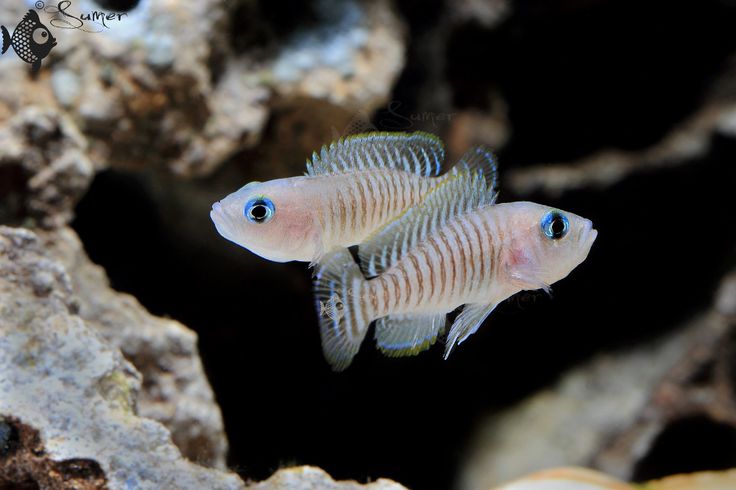
Neolamprologus multifasciatus, also known as the dwarf shell-dweller cichlid or multis, is a small cichlid species. In the aquarium, males typically reach about 5 cm (2 in) in length, while females are smaller at only 2.5 cm (1 in). These fish are even tinier in their natural habitat, with males measuring just 3 cm (1.2 in) in length and females less than 2.2 cm (0.87 in). As one of the smallest cichlid species in the world, Neolamprologus multifasciatus has a unique charm that captivates aquarists.
Colours and Markings
Neolamprologus multifasciatus has a pale white colouring, which serves as excellent camouflage against the sandy substrate of their natural habitat. The most distinctive feature of these cichlids is the presence of black vertical bars that run the length of their bodies. These bars provide additional camouflage and help the fish blend in with their surroundings.
Gender Differences
Sexually monomorphic Neolamprologus multifasciatus do not display prominent external differences between males and females, making it challenging to determine their gender based solely on appearance. However, size differences can be observed, with fully mature males being slightly larger than females. The true identification of gender often relies on observing their behaviour during breeding.
Varieties
While Neolamprologus multifasciatus is primarily known for its natural colouring and markings, this species has no distinct varieties or recognized colour morphs. However, individual fish may exhibit slight variations in colour intensity and pattern.
Grades
No specific grades are assigned to Neolamprologus multifasciatus. However, hobbyists may classify individuals based on their quality, health, and breeding potential.
Behaviour and Temperament
Neolamprologus multifasciatus is known for its fascinating behaviour, particularly its affinity for shells. These cichlids are proficient burrowers and will move sand to rearrange clam shells as their territory. They take refuge inside the shells, creating a unique and intricate home. Neolamprologus multifasciatus is a peaceful species that can be kept in community tanks with appropriate tank mates. Despite their small size, they are known to assert their dominance and defend their territory when necessary.
Aquarium Requirements
Creating the ideal environment for Neolamprologus multifasciatus, dwarf shell-dweller cichlids or multis, is crucial for their well-being. These small Tanganyika cichlids have specific needs regarding tank size, layout, water parameters, and tank mates.
Ideal Tank Size and Layout
A colony of Neolamprologus multifasciatus requires a tank size of at least 20 gallons to thrive. To provide more horizontal space, it is recommended to choose a more extended tank rather than a taller one. The extra space allows these shellies to establish territories and reduce aggression within the colony. Additionally, a sandy substrate is essential for their natural burrowing behaviour, while the presence of shells provides hiding spots and breeding sites.
Water Parameters
Maintaining suitable water parameters is vital for the health of Neolamprologus multifasciatus. These shell-dweller cichlids prefer alkaline water conditions with a pH ranging from 7.5 to 9.0. The water’s hardness, measured in degrees of general hardness (GH), should be at least 8° to mimic their natural habitat in Lake Tanganyika. Monitoring water quality and appropriate filtration are necessary to ensure a stable and healthy environment.
Suitable Tank Mates and Potential Conflicts
Choosing compatible tank mates is crucial when keeping Neolamprologus multifasciatus. It’s best to avoid bottom-dwelling fish that may disturb the shelliess territories, as these cichlids are highly territorial. Small, peaceful fish that inhabit other levels of the water column, such as some small species of cyprinids or tetras, can make suitable companions. Care should be taken to ensure tank mates can tolerate the alkaline conditions required by Neolamprologus multifasciatus.
Compatibility with Live Plants and Invertebrates
Neolamprologus multifasciatus can be kept with live plants, although their digging behaviour may uproot or disturb delicate plants. Hardy and well-rooted plants like Java fern and Anubias species are recommended. It’s essential to provide secure plant anchoring to prevent damage. Some invertebrates, such as snails and small shrimp, can also coexist peacefully with Neolamprologus multifasciatus. However, caution should be exercised when introducing invertebrates, as some individuals may view them as potential food.
Care
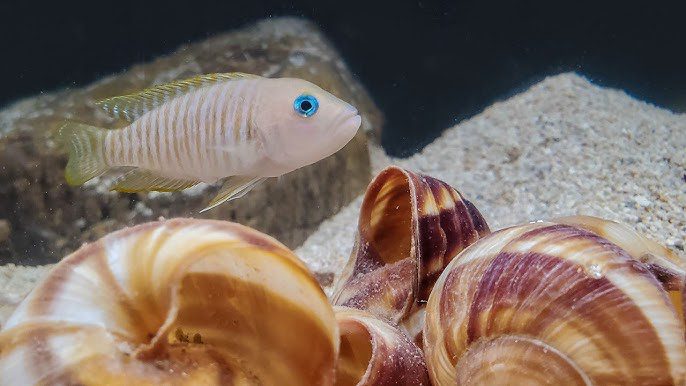
Proper care is essential for the health and well-being of Neolamprologus multifasciatus, also known as the dwarf shell-dweller cichlid or multis. These shellies are a small species of Tanganyika cichlid that require specific care to thrive in an aquarium environment.
Diseases
Like any fish, Neolamprologus multifasciatus is susceptible to diseases and health issues. It is essential to be aware of common diseases that may affect these shell-dweller cichlids:
- Parasitic infections
- Bacterial infections
- Nutritional deficiencies
Monitoring the fish’s behaviour and appearance is crucial in identifying any signs of illness. Promptly addressing these issues can help prevent further complications.
To minimize the risk of disease, it is recommended that new fish be quarantined before being introduced to the main tank. This helps ensure that potential diseases are not spread to the existing population. Maintaining good water quality through regular water changes is also essential in preventing diseases.
If any health concerns arise, consulting with a veterinarian or an experienced aquarium hobbyist can provide valuable guidance on caring for Neolamprologus multifasciatus.
Diet and Feeding
Neolamprologus multifasciatus, also known as the dwarf shell-dweller cichlid or shellies, is primarily a carnivorous species. In the wild, its diet consists of small invertebrates and microorganisms. When kept in an aquarium, it is important to provide it with a balanced diet that meets its nutritional needs.
Dietary Preferences
Neolamprologus multifasciatus prefers high-quality flakes, pellets, and frozen foods. These can be supplemented with live or frozen brine shrimp to provide variety and additional nutrition. Observing their feeding behaviour can help determine which foods they prefer.
Recommended Foods and Feeding Schedule
When feeding Neolamprologus multifasciatus, it is recommended that a varied diet is offered. This can include high-quality flakes and pellets designed for small carnivorous fish. Frozen foods such as bloodworms, daphnia, and brine shrimp can also be added to their diet. Feeding should be done in small portions daily to ensure they receive enough food.
- High-quality flakes and pellets
- Frozen foods: bloodworms, daphnia, brine shrimp
- Live or frozen brine shrimp (as a supplement)
Tips on Ensuring a Balanced and Nutritious Diet
To ensure a balanced and nutritious diet for Neolamprologus multifasciatus, it is important to consider the following tips:
- Provide a variety of foods to meet their nutritional needs.
- Observe their feeding behaviour and adjust the diet as needed.
- Avoid overfeeding by offering small portions multiple times a day.
- Supplement their diet with live or frozen brine shrimp for additional nutrition.
- Ensure proper storage of foods to maintain their nutritional value.
Breeding and Reproduction
Breeding Neolamprologus multifasciatus, dwarf shell-dweller cichlids or multies, can be rewarding for aquarium hobbyists. These Tanganyika cichlids exhibit fascinating reproductive behaviours and provide a unique breeding experience. However, there are specific considerations to consider when breeding these shellies.
Sexing
Sexing Neolamprologus multifasciatus can be challenging based on external appearance alone, as it is sexually monomorphic. However, size differences can be observed once it reaches full maturity, with males being slightly larger than females.
Breeding Behaviour and Conditions
The breeding behaviour of Neolamprologus multifasciatus involves the female selecting a shell as a breeding site. She will lay her eggs inside the shell, and the male will fertilize them. The female takes on the responsibility of guarding the eggs until they hatch.
To encourage successful breeding, providing suitable conditions in the aquarium is crucial. This includes the presence of shells for the females to choose from as breeding sites. Additionally, maintaining proper water parameters, such as a pH of 7.5-9.0 and a suitable hardness level, is essential for the reproductive success of these Tanganyika cichlids.
Care of Eggs and Fry
Once the female has laid her eggs and is guarding them, providing a suitable environment for their development is essential. Neolamprologus multifasciatus are diligent parents and will fiercely protect their eggs and fry. As the fry hatch, both parents will actively care for them, ensuring their safety and providing necessary nourishment.
Challenges in Breeding in Captivity
While breeding Neolamprologus multifasciatus can be a rewarding experience, some challenges may arise. One common challenge is ensuring the presence of enough shells in the aquarium for the females to choose from. Maintaining stable water conditions and a suitable diet for both the breeding pair and their fry is crucial for successful breeding in captivity.
Overall, with the proper setup, care, and attention to detail, Neolamprologus multifasciatus can be bred successfully, providing captivating insights into the reproductive behaviours of this unique Tanganyika cichlid species.
Summary
Neolamprologus multifasciatus, also known as the dwarf shell-dweller cichlid or multis, is a fascinating and unique cichlid species well-suited for aquarium keeping. With their small size, interesting behaviour, and striking colours, they can be a captivating addition to any freshwater aquarium.
To ensure the health and well-being of Neolamprologus multifasciatus, the right tank setup, proper care, and a balanced diet are essential. They require a sandy substrate for burrowing and the presence of shells for hiding and breeding. The ideal tank size for a colony is at least 20 gallons, and water parameters should mimic those suitable for Lake Tanganyika cichlids. Tank mates should be carefully chosen to ensure compatibility, and live plants and certain invertebrates can also be added to the tank.
Neolamprologus multifasciatus is primarily a carnivorous species. Its diet should consist of high-quality flakes, pellets, frozen foods, and live or frozen brine shrimp. Feeding should be done in small portions multiple times a day to ensure it receives enough food and maintains its health and vibrant colors.
Breeding Neolamprologus multifasciatus can be a rewarding experience, although it may require additional considerations. Suitable conditions should be provided, including the presence of shells and proper water parameters. Successfully breeding these cichlids can be challenging, but it is achievable with the correct setup and care.